

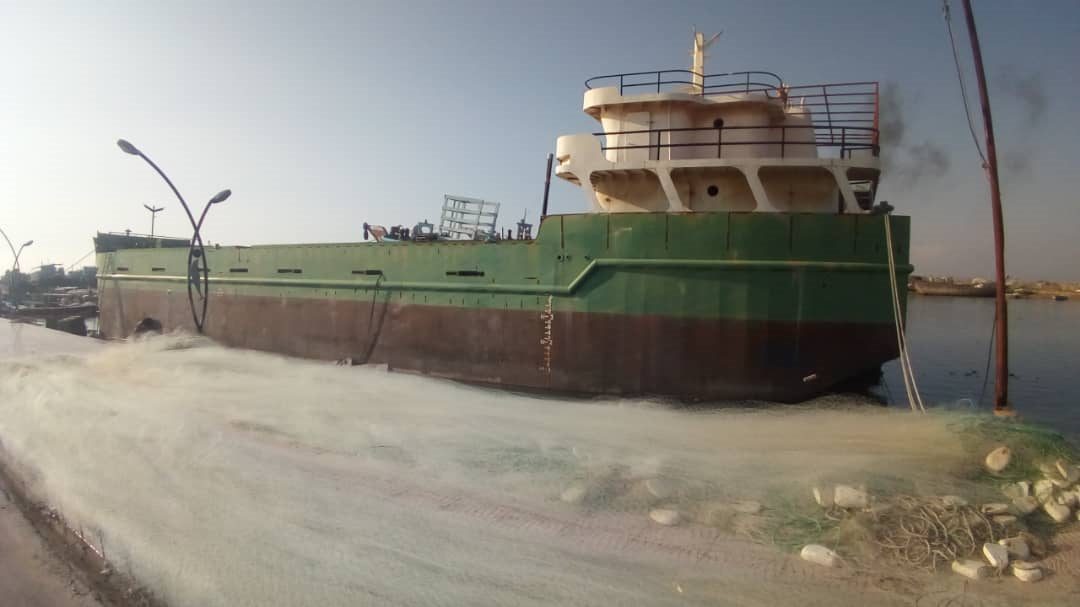
When a vessel costs more to keep than it earns, selling it for scrap is a serious option. Scrap prices are set on lightweight tonnage (LDT). Here is how LDT is calculated, how the market works and how the sale runs, step by step.
What is LDT and why does it matter?
Lightweight (Light Displacement, LDT for short) is the weight of the ship itself, without cargo, fuel, water, stores or crew. In practice it is roughly the weight of the steel, machinery and equipment that the scrap buyer acquires. The price of a scrap vessel is usually quoted as “dollars per tonne of LDT”. LDT is stated in the vessel's technical documents and in the class society (Classification Society) records. If it is not available, it is calculated from the plans or by an expert estimate.
What pushes the scrap price up or down?
- The current price of scrap iron and steel in the domestic market.
- The ratio of steel to equipment: engines, generators, bronze propellers and other equipment that can be sold separately each have their own value.
- The vessel's location and the cost of moving it to the place where it will be broken up.
- The state of the documents: a vessel with clear ownership and a Certificate of Ownership and Encumbrance (showing no debts or mortgages) is usually sold faster and at a better price.
- Hazardous materials (residual fuel, oil, asbestos), which carry removal and clean-up costs.
Steps in selling a scrap vessel
- Gather the documents: title deed, registration certificate, technical specifications and LDT.
- Post a listing in the scrap vessel category with clear photographs of the hull, engine room and deck.
- Arrange inspections by buyers and collect offers based on price per tonne of LDT.
- Draw up a Memorandum of Agreement (MOA) for the sale and purchase of the vessel, setting the place of delivery, responsibility for moving the vessel and the payment schedule.
- Obtain a Deletion Certificate at or after delivery, to reduce the seller's later liabilities.
Scrap, or sell to keep trading?
Sometimes a vessel that is no longer profitable for its current owner still has operating value for a buyer with a different trade or use, and can sell for more than its scrap value. Before deciding, read about the scrap market and the basis of pricing and ask the Shipo Market specialists for an estimate.