
The author argues that falling global trade value, a domestic recession and rising costs are putting heavy pressure on Iran's maritime transport. He says the industry competes internationally much as aviation does, so it must meet global technical, management and quality standards, and he proposes several policy measures.
Published by Marine News, 28 Ordibehesht 1401 (Iranian calendar) · an opinion piece by Dr Mehrshad Kouhestani
Key points
- Falling transit and oil revenue have reduced ship traffic in ports and squeezed shipowners' profit margins.
- Iran's maritime transport has three segments: cargo, tanker and passenger.
- Proposals: encourage cargo owners to use containers, offer discounts on port dues and charges for container ships, set centralised policy for e-commerce, and automatically link the agencies involved in transit.
- Tonnage tax based on gross tonnage (GT) could lower the total cost of operating a ship.
- Prepare the southern ports to receive new-generation ships.
The view of Shipo Market's founder
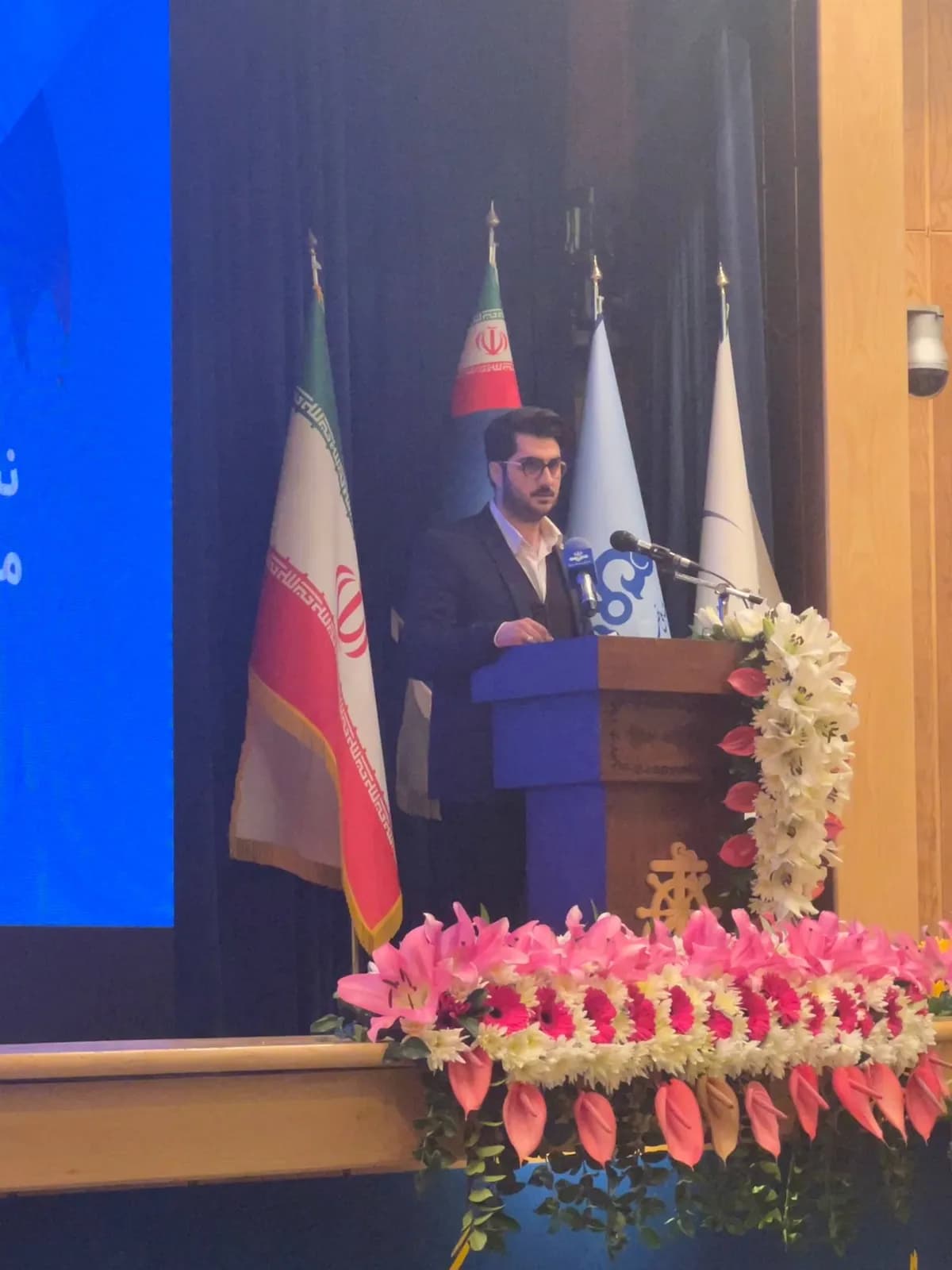
Dr Kouhestani stresses that maritime transport cannot be developed simply by building ports. Domestic and international routes for moving cargo and passengers must be planned alongside the corridors.
“In terms of economic indicators, the country's maritime industry is just like the aviation industry.” (Dr Mehrshad Kouhestani)
Source
Read the full text on Marine News
This page is a summary of a report published by the media outlet. The full text belongs to the publisher.
If you are buying, selling or chartering a vessel in Iran, search Shipo Market for current listings, list your vessel for free, or contact Pooria Adli directly for a straightforward conversation about your plans.