

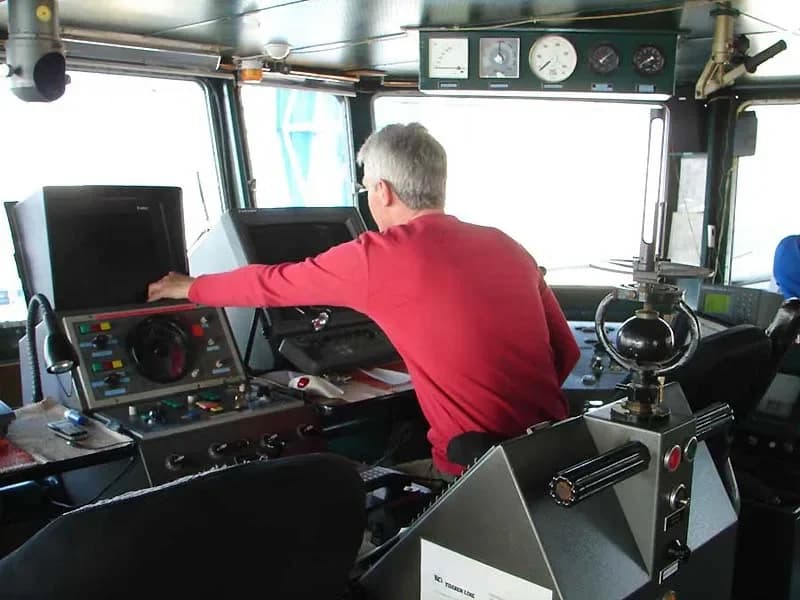
In a Time Charter, seaworthiness is not only the physical condition of the vessel; certificates, documents and a competent crew are part of it. The records that will support your defence after an incident must be ready before the vessel is delivered.
In a Time Charter, the obligation to provide a seaworthy vessel at delivery is implied, unless the Charter Party expressly excludes it. Where the Hague or Hague-Visby Rules apply, Article III Rule 1 requires the Carrier to exercise Due Diligence, before and at the beginning of the voyage, to make the vessel safe, equipped, properly manned and supplied, and fit for the voyage and the cargo. If a loss arises from unseaworthiness, the burden of proving that diligence usually rests on the Carrier.
Two aspects of seaworthiness
Voyage and cargo. The vessel, with its master and crew, must be able to cope with the ordinary perils of the voyage and be suitable for the contracted cargo. The need to lighten a vessel to enter a port or pass through a canal does not, by itself, make it unseaworthy.
Crew and documents. A sufficient and competent crew, charts, a passage plan, navigational equipment and valid ISM certificates are all part of seaworthiness. The absence of documents that the Flag State or the ports on the route are known in advance to require can also make a vessel unseaworthy.
The file before delivery
Whether handing a repair to a yard or an Independent Contractor relieves the Shipowner is assessed under the Non-delegable Duty principle, and the answer depends on the governing law and the wording of the contract. Refer the governing law clause to a maritime legal adviser before you sign. The cases in this note are teaching examples from the industry. In the Empire Jamaica collision, the owner was not found at fault even though the second officer held no certificate, because the owner was entitled to regard the officer as competent and no causal link to the collision was proved. A defence like that rests on documented records.
Owner. Keep one file containing the Class Certificate and the Classification Society records, the yard's work report with the acceptance minutes and post-repair tests, crew certificates and familiarisation records, ISM documents, and up-to-date charts and passage plans.
Charterer. If you are the Charterer, ask for copies of the same documents, the latest Port State Control records, and a list of the documents required by the ports on the route. Record the condition of the vessel in the On-hire and Off-hire Surveys.
Termination or a damages claim?
Under the Hong Kong Fir decision, this obligation is neither a strict condition nor a mere warranty; it is an Intermediate Term. In that case, a shortage of engine room crew and their incompetence caused a long delay, but the court did not treat unseaworthiness alone as grounds for termination. Termination is justified when the breach deprives the innocent party of substantially the whole benefit of the contract. Otherwise, that party's remedy is a claim for damages for delay, and the outcome depends on the exact wording of the contract. In Hermosa, the defects could be put right within a short time and termination was not upheld; in Yuri Maru, the delay destroyed the commercial purpose of the charter.
Practical advice. The Charterer should record the days of delay and any notices in writing, and the owner should present a written schedule for rectifying the defect.
If you are preparing to charter or buy a vessel, search the listings on Shipo Market or list your own vessel for free. No user's phone number is published; our specialists, including me, follow up the contact with the other party and the review of documents before delivery.
Contact Pooria Adli:+98 912 533 7809pooria.adli@shipomarket.com